

01 OUR COSMIC ADDRESS
A system born
from stardust.
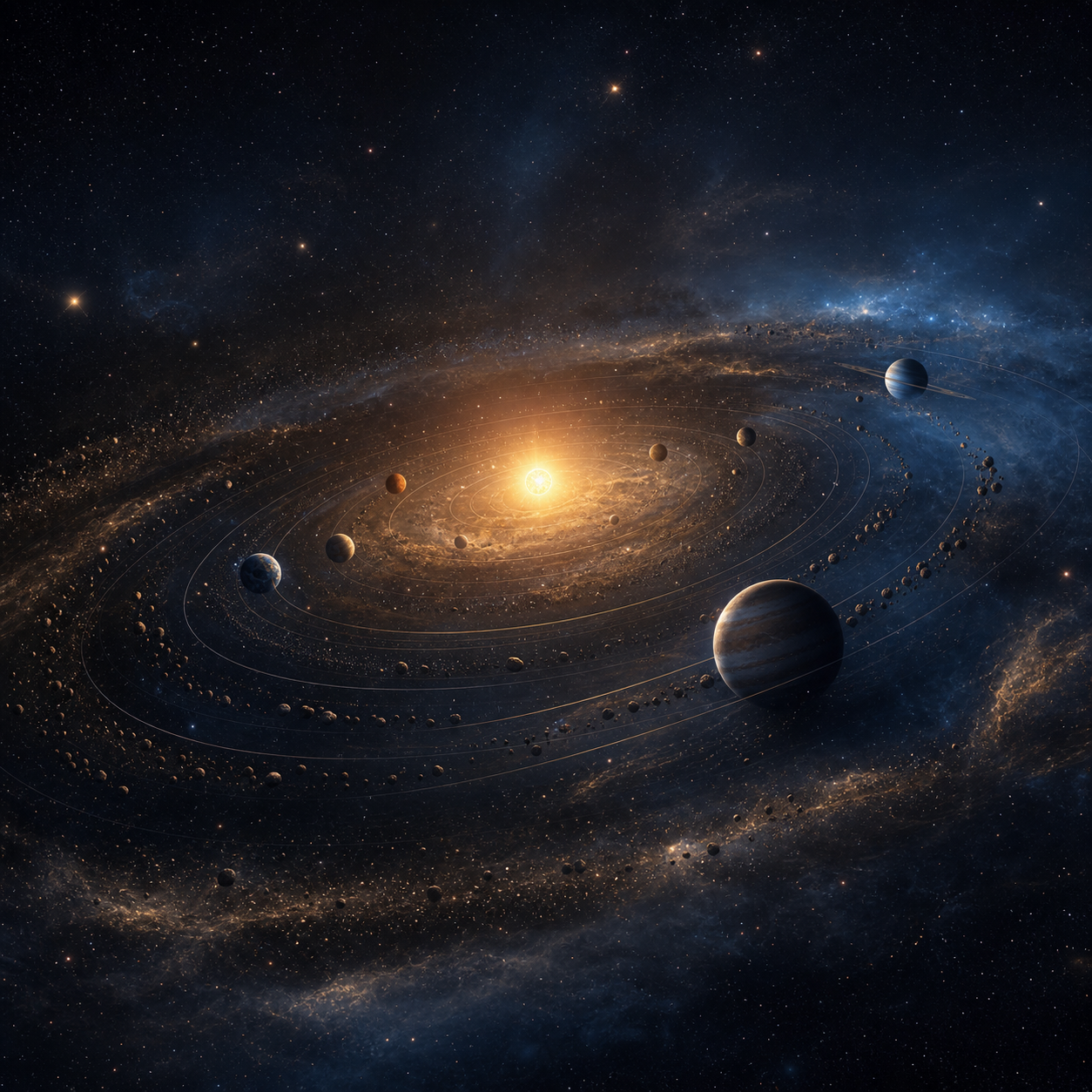
The Solar System is the Sun and the immense family of worlds, fragments, ice and dust bound to it by gravity. It formed about 4.6 billion years ago — and it is still evolving today.
02 WHAT IT IS
More than a row of planets.
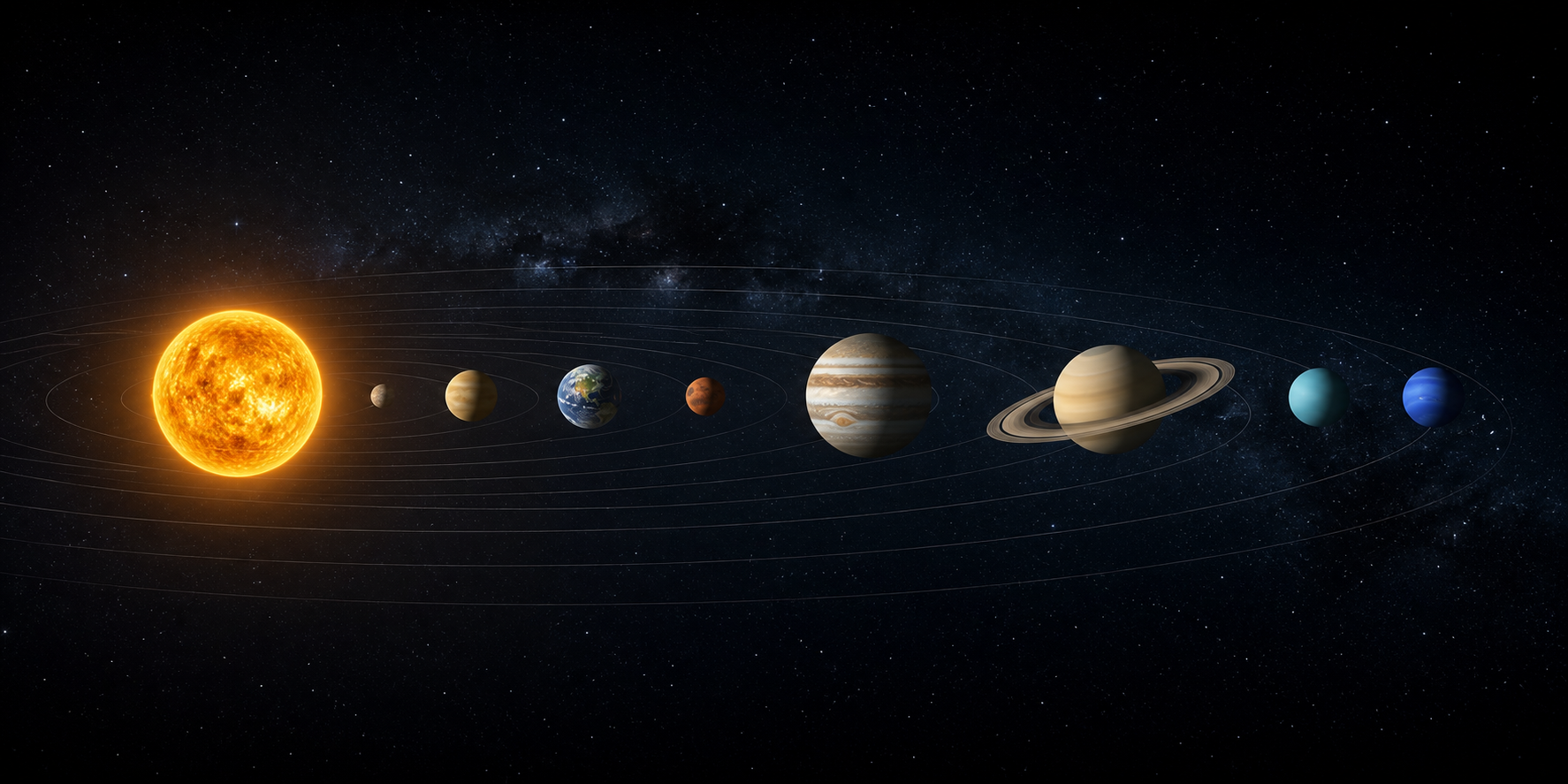
Our Solar System is a gravitational community moving through the Milky Way. The Sun is its anchor; every other member follows a path shaped by the Sun, nearby worlds and the history of the disk from which they formed.
It contains four rocky inner planets, four giant outer planets, five officially recognized dwarf planets, hundreds of moons, and countless asteroids, comets and smaller bodies.
Its true frontier is not Neptune. The solar wind forms a vast protective bubble called the heliosphere, while far beyond it may lie the distant Oort Cloud — a reservoir of icy remnants surrounding the planetary system.
03 FORMATION
How a cloud became a system.
Planetary systems are a natural consequence of star formation. Our story began inside a cold molecular cloud enriched by earlier generations of stars.
Collapse
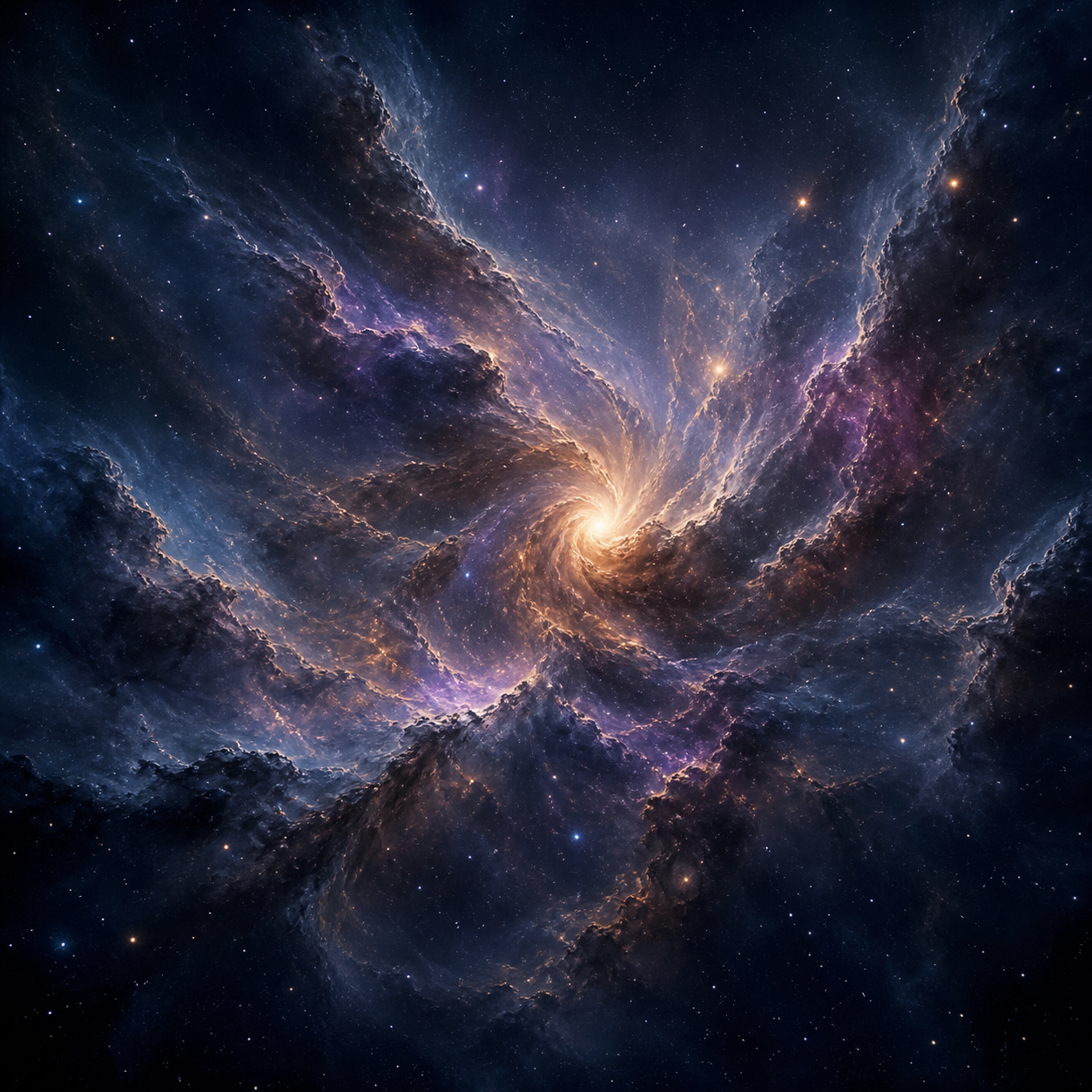
About 4.6 billion years ago, part of a cloud of interstellar gas and dust collapsed under gravity, possibly disturbed by a nearby stellar explosion.
A spinning disk
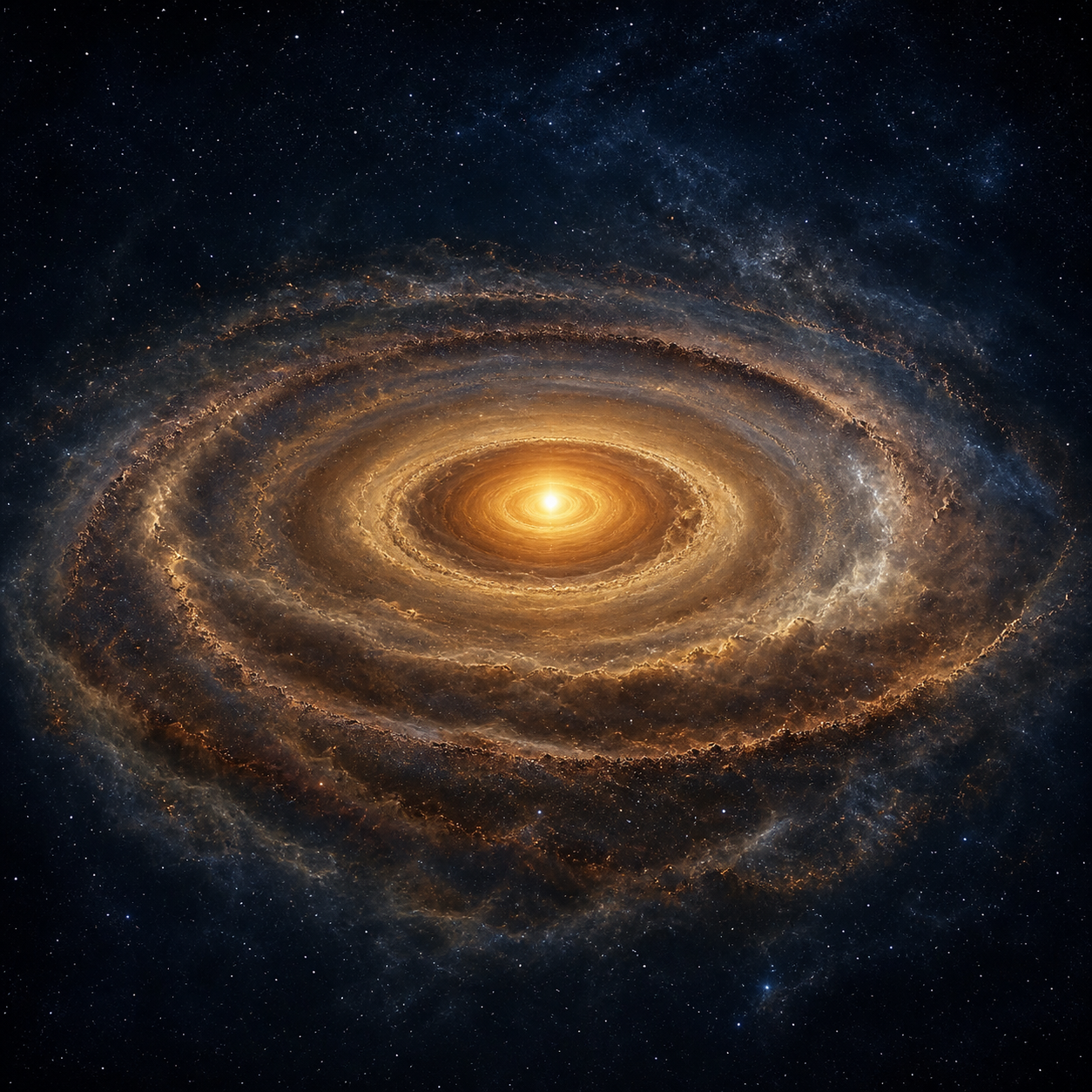
As the cloud contracted it rotated faster and flattened. Most material flowed toward the centre, creating the proto-Sun and a broad protoplanetary disk.
Accretion
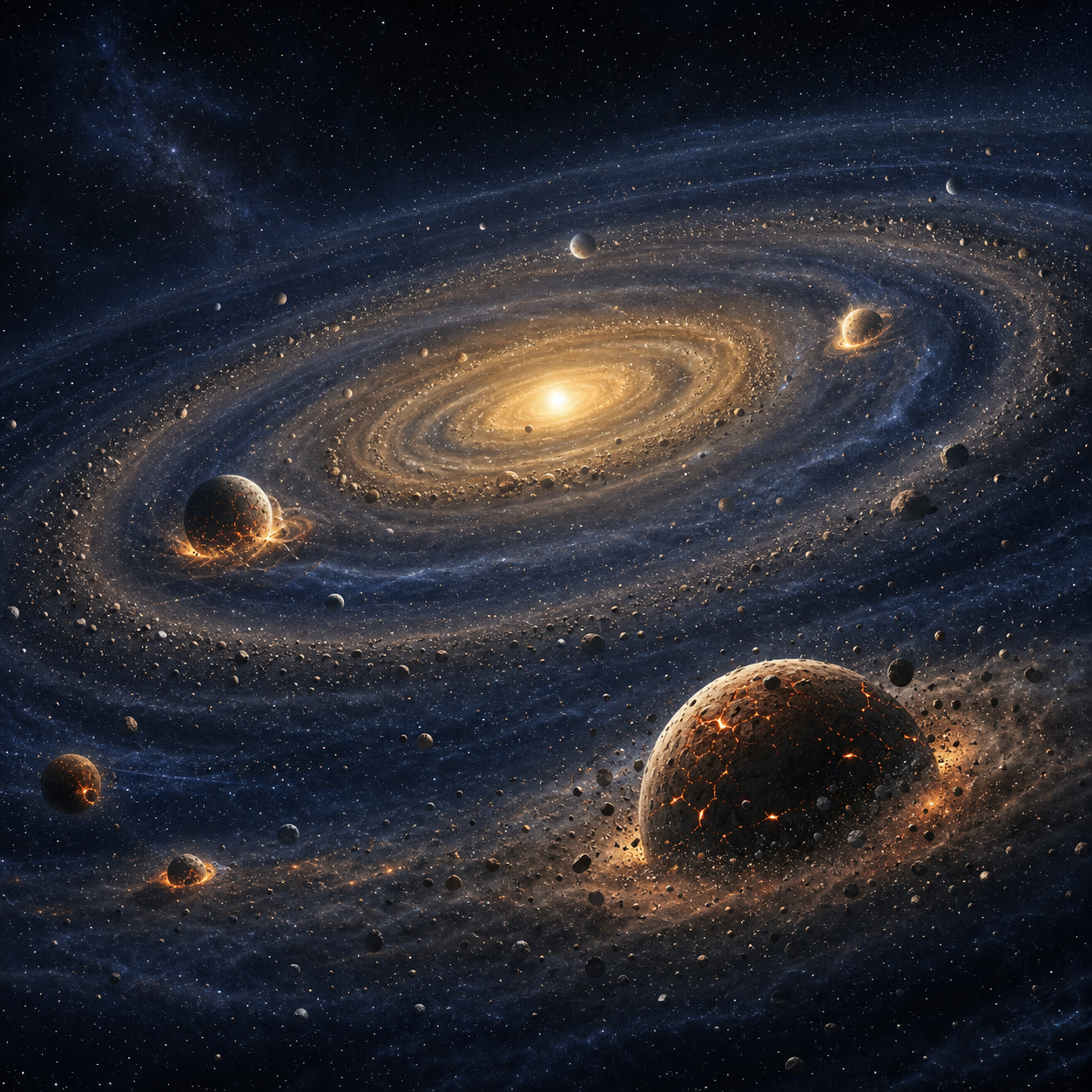
Dust became grains, grains became rocks, and repeated collisions built planetesimals and planetary embryos — the foundations of planets and moons.
Worlds emerge
The young Sun cleared much of the remaining gas. Heat produced rocky inner worlds, while colder outer regions allowed giant planets rich in gas and ice to form.
04 ARCHITECTURE
From furnace to frozen frontier.
Rocky worlds
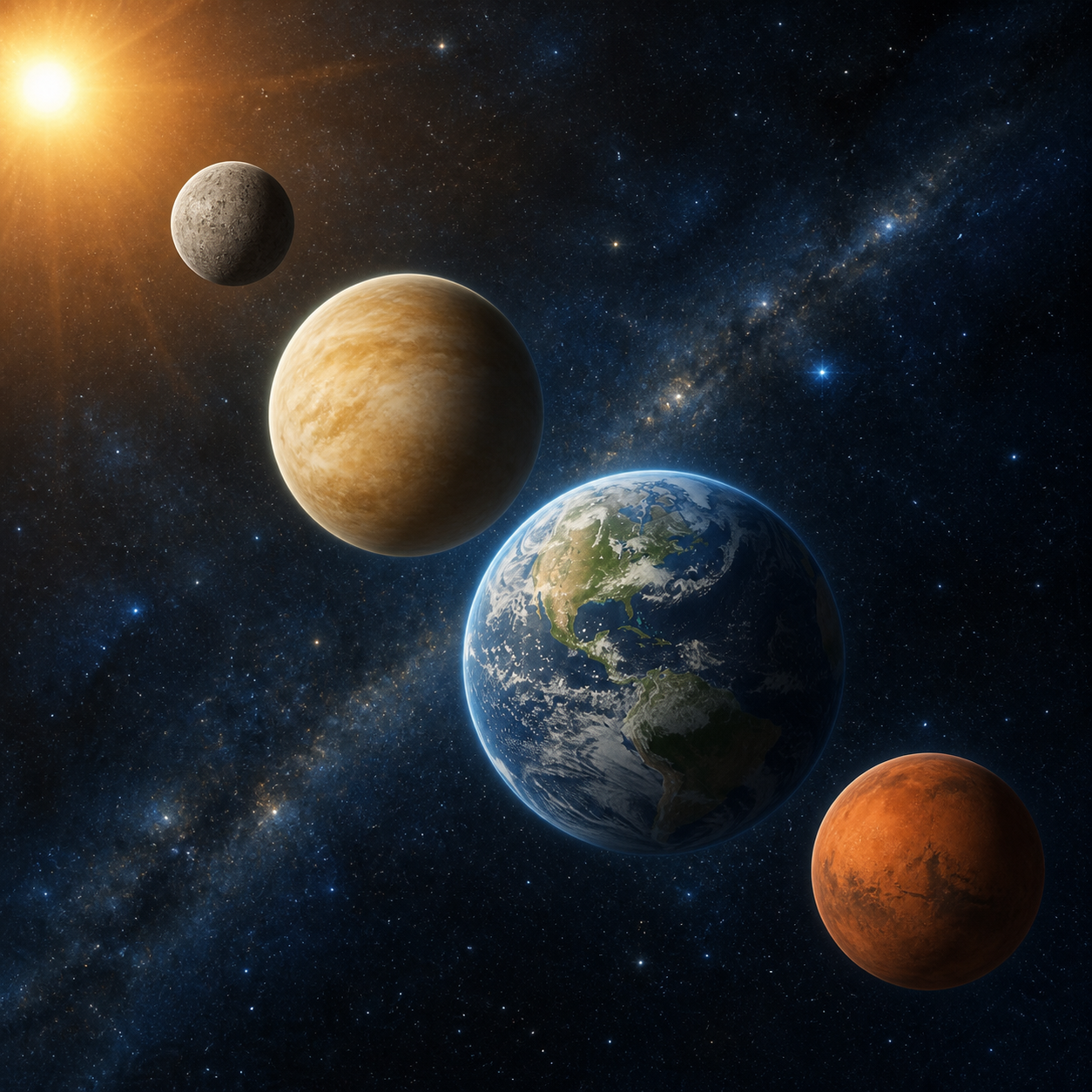
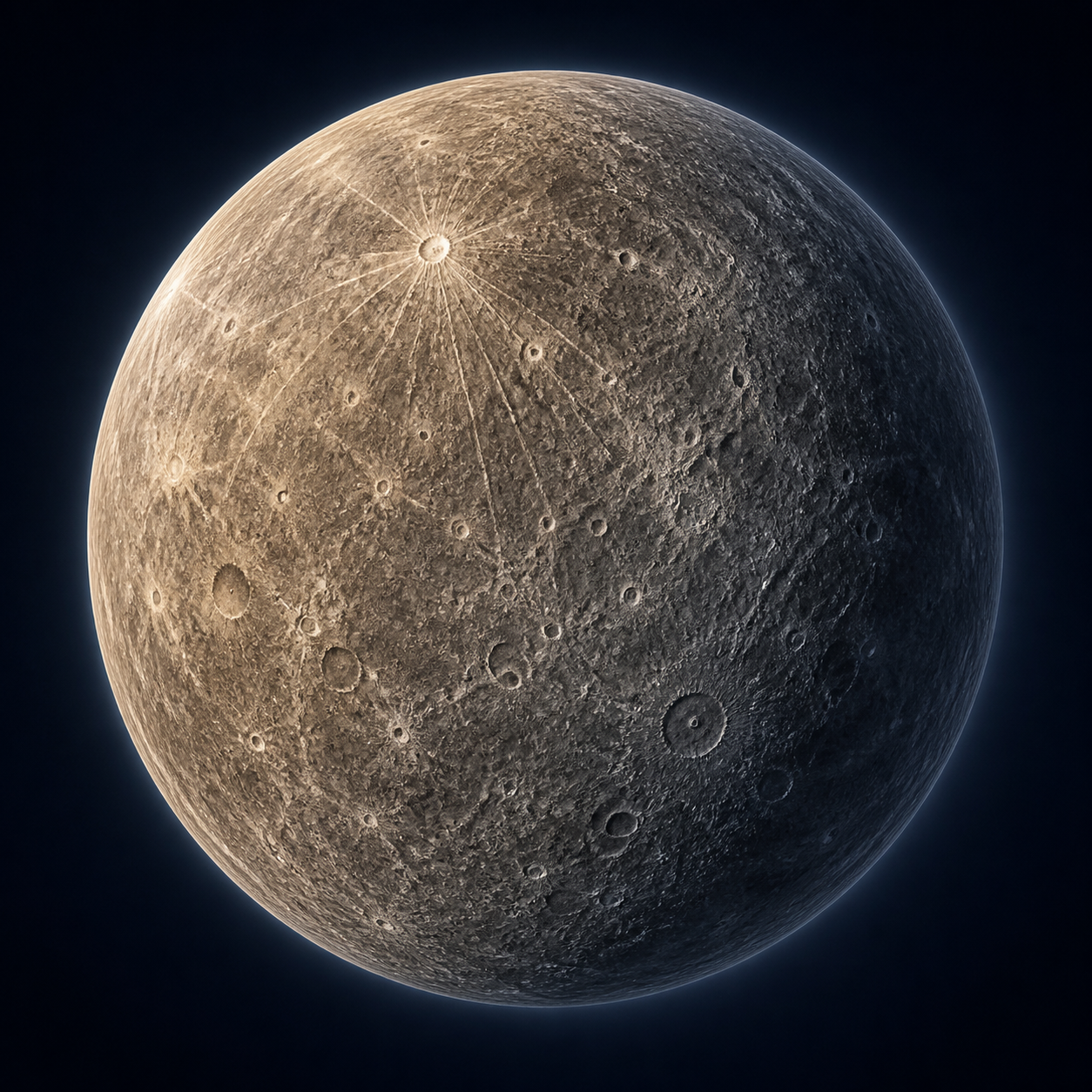
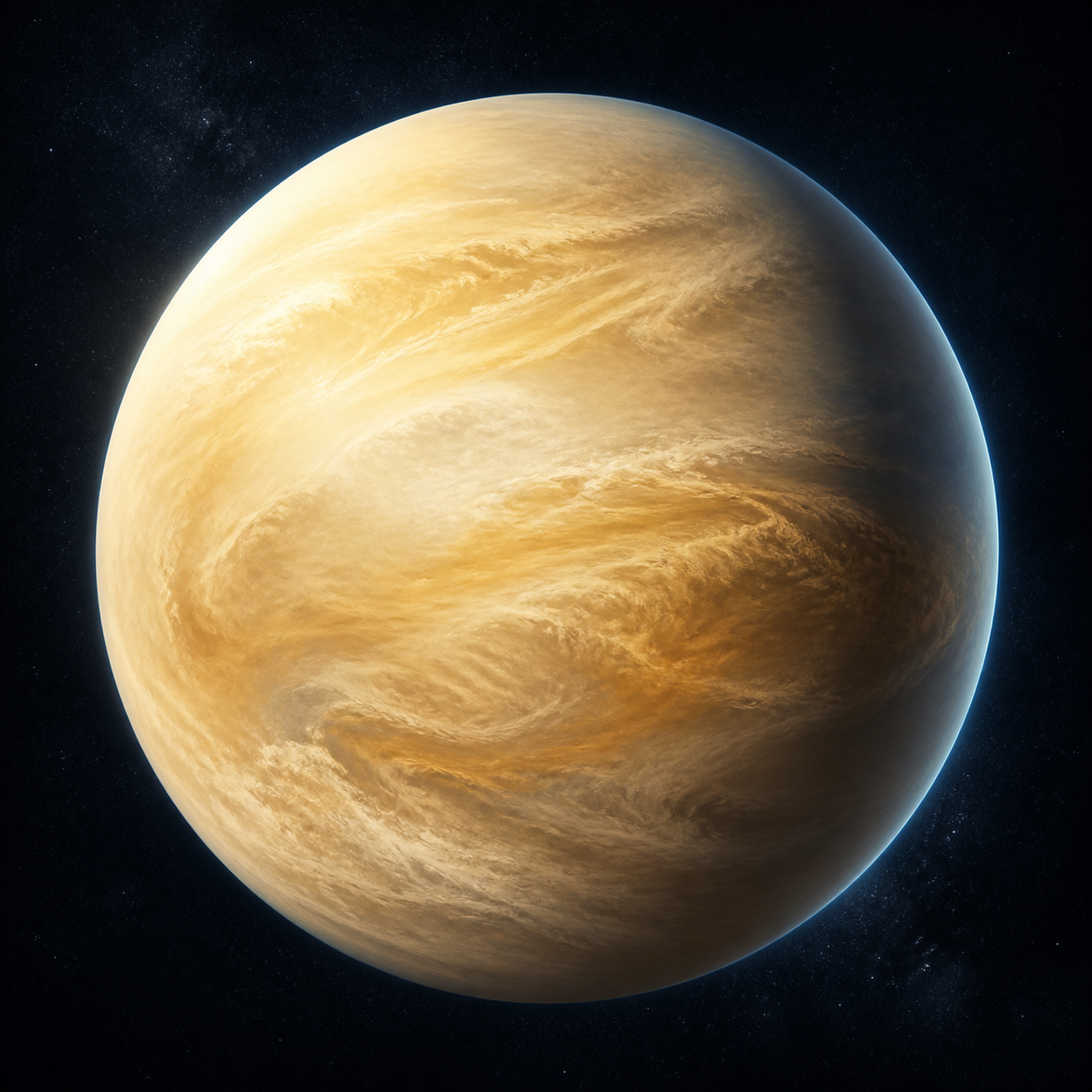
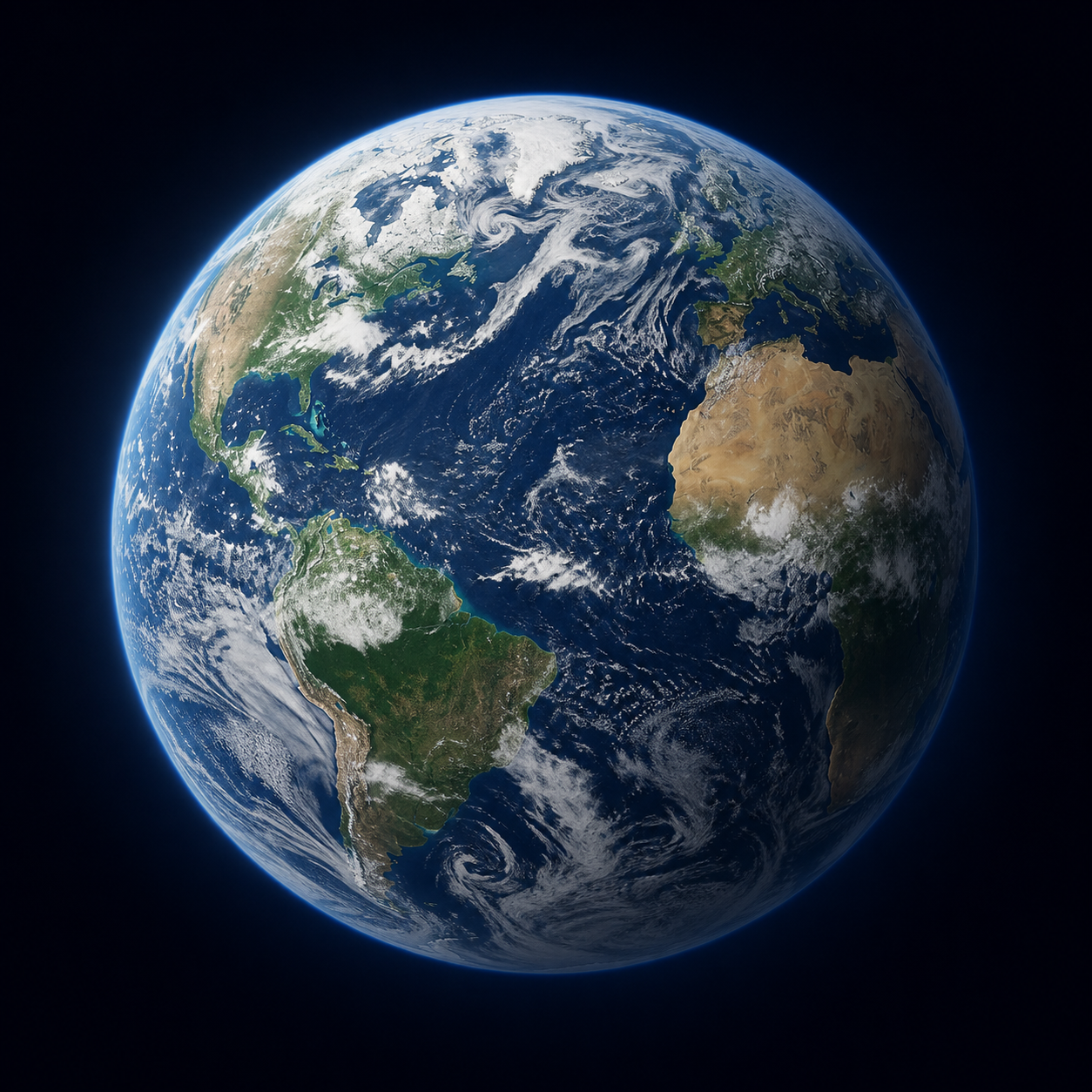
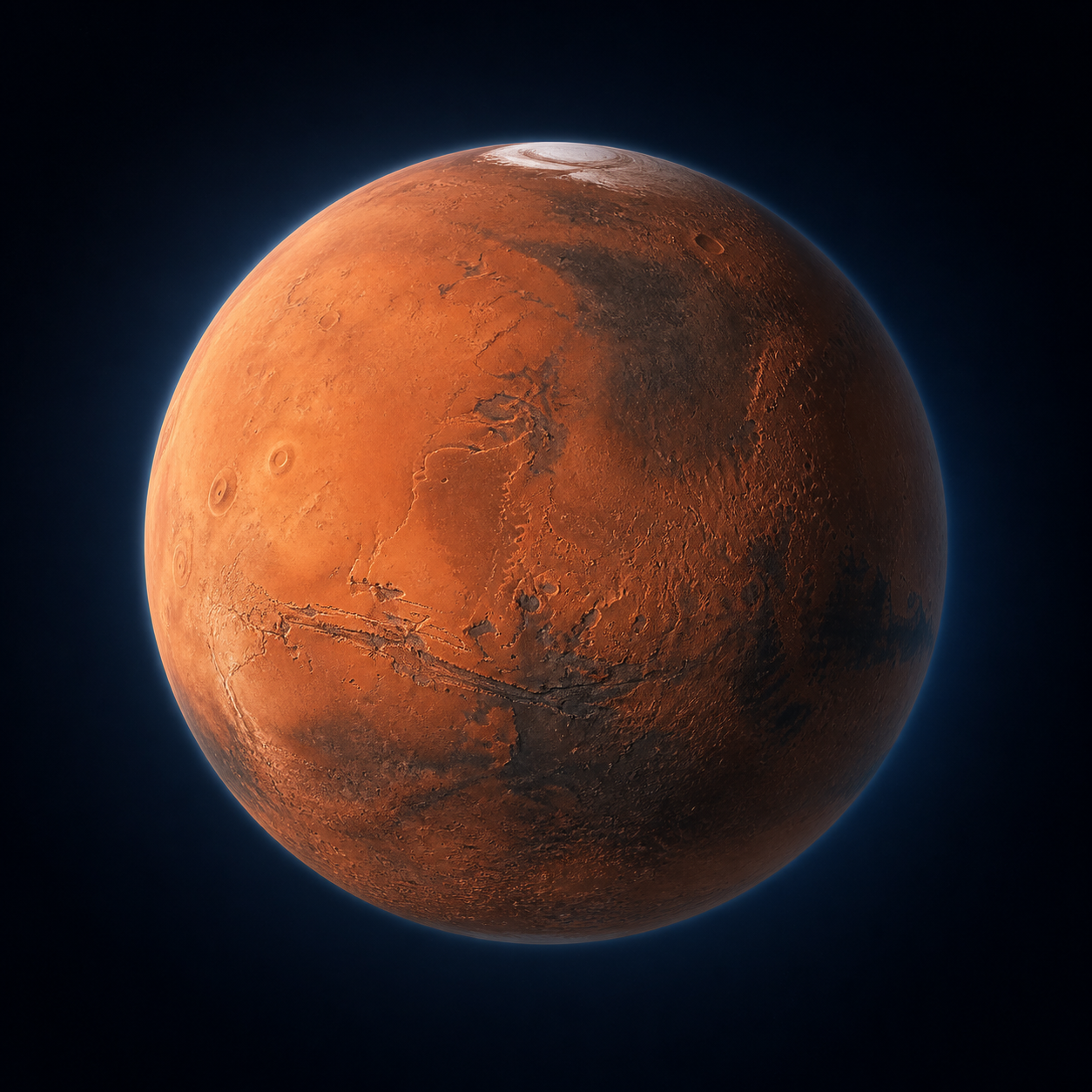
Mercury, Venus, Earth and Mars formed where temperatures allowed metals and rock to remain solid. They are compact worlds with solid surfaces.
Visit a rocky world ↗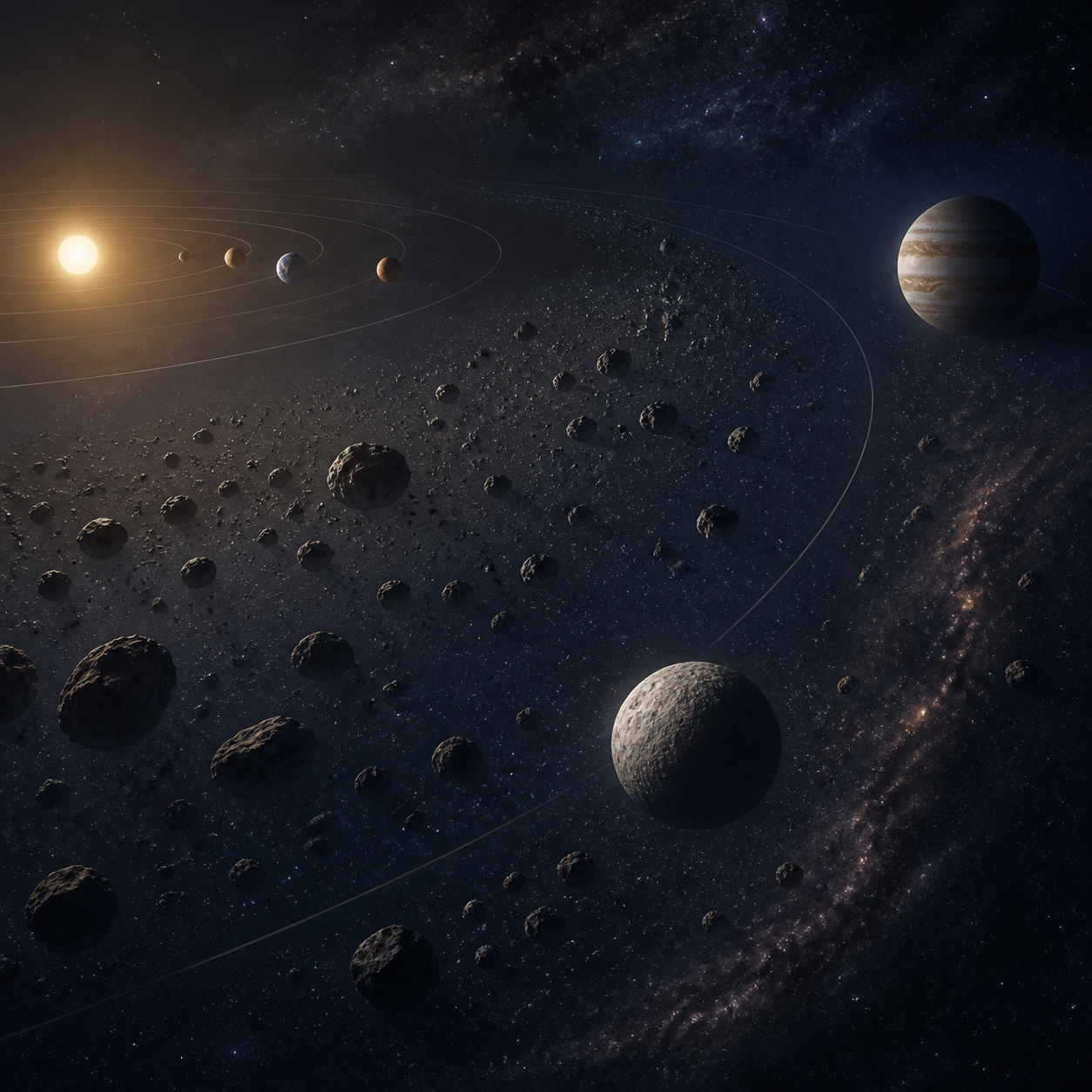
Asteroid Belt
Between Mars and Jupiter, millions of rocky remnants preserve material from the Solar System’s earliest construction phase.
Giant planets
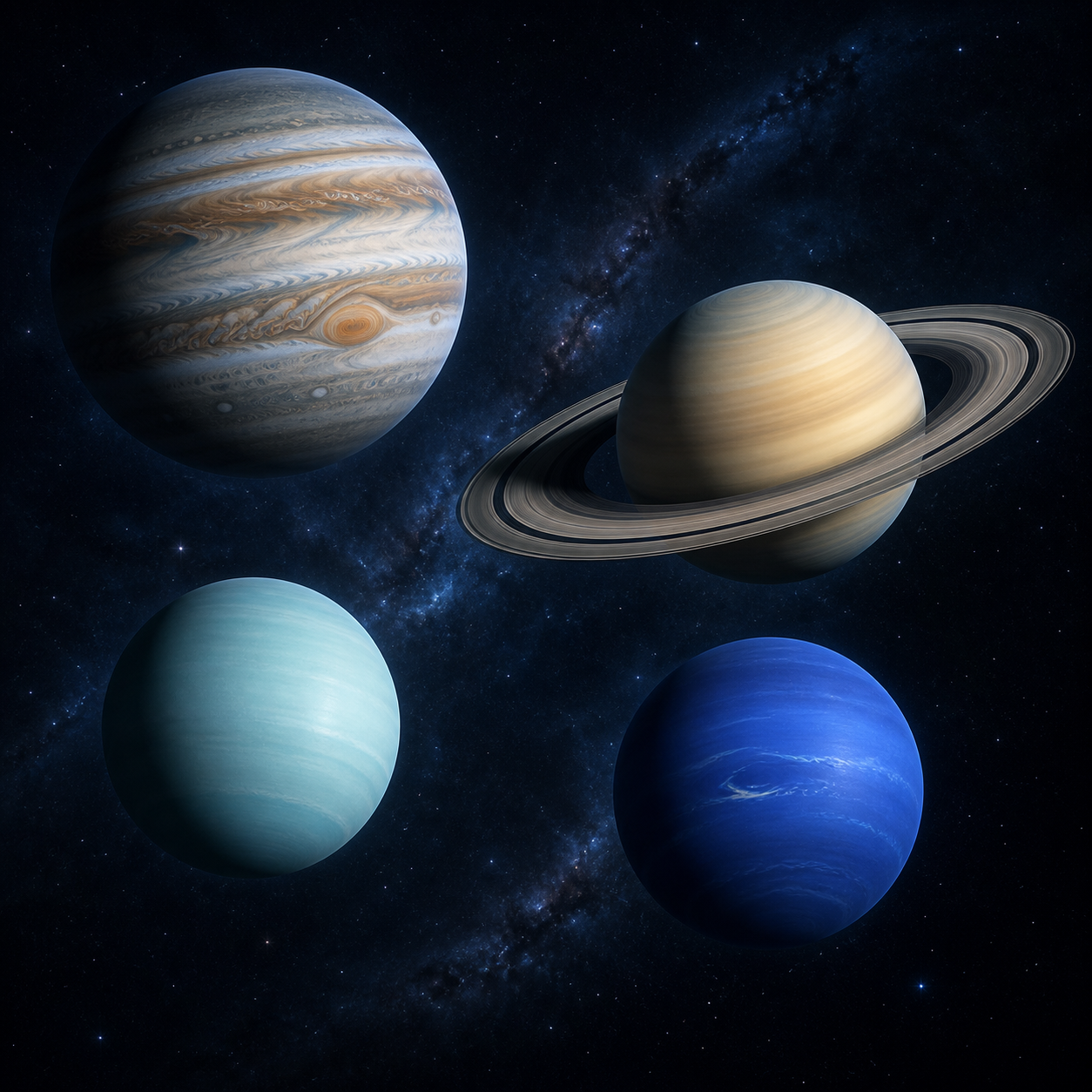
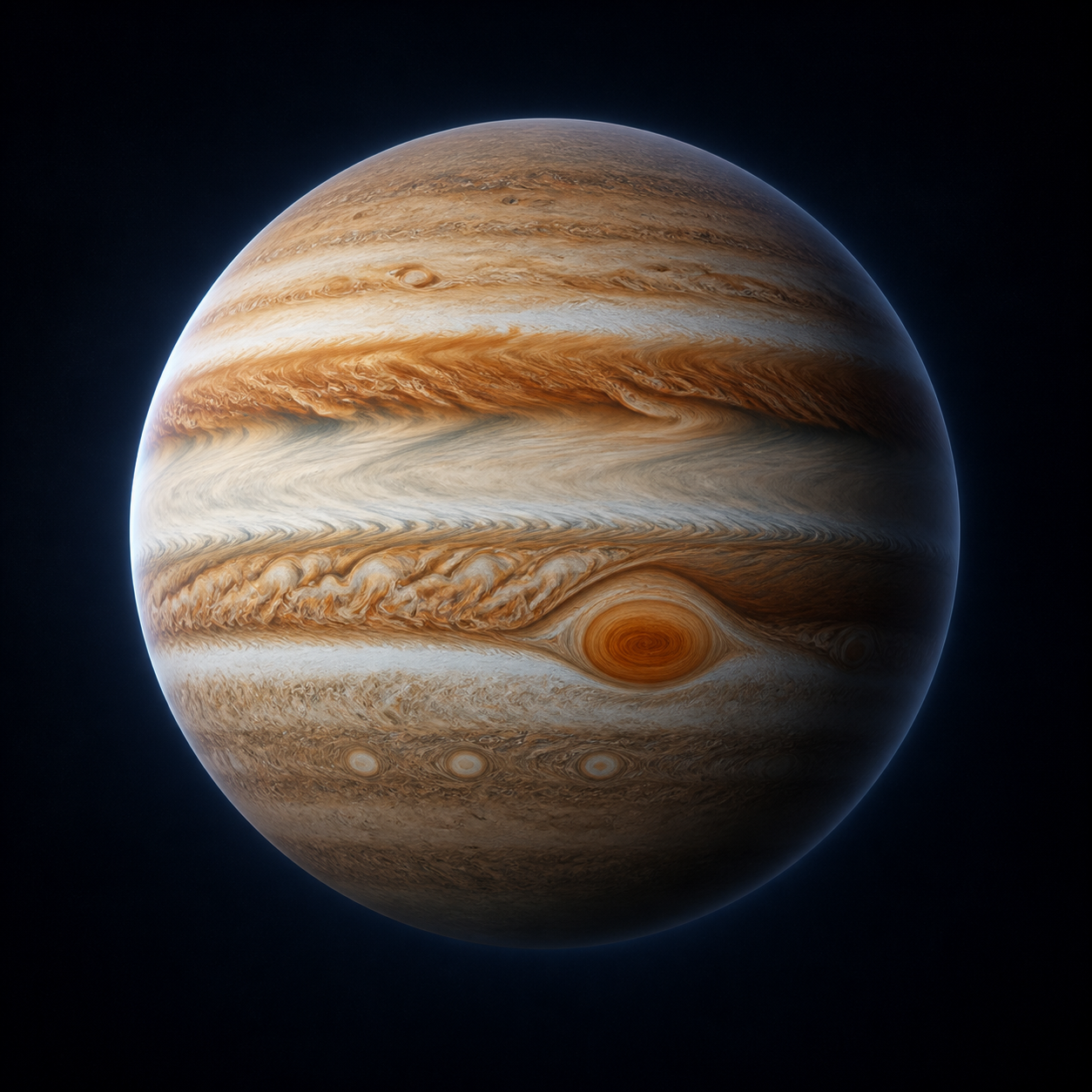
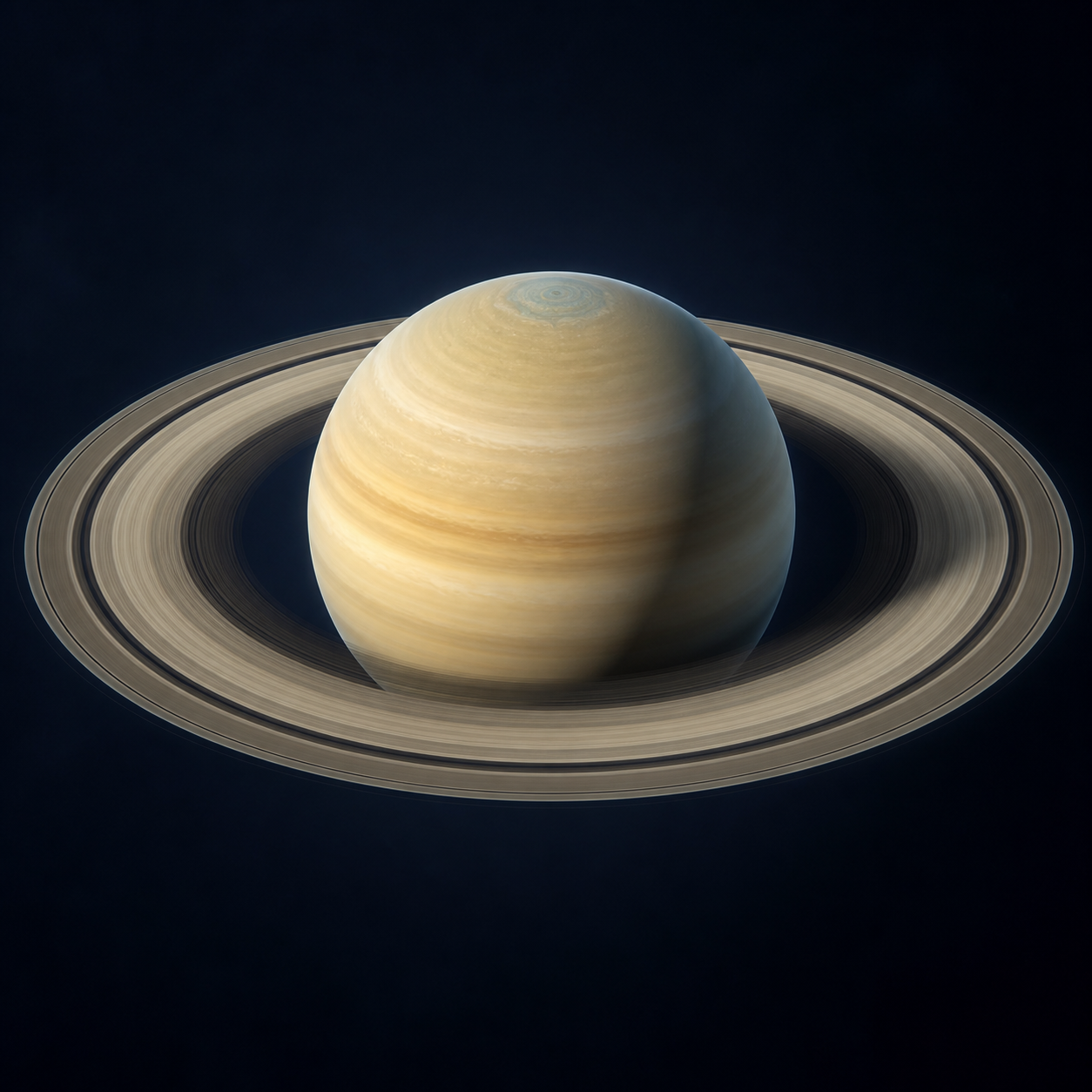
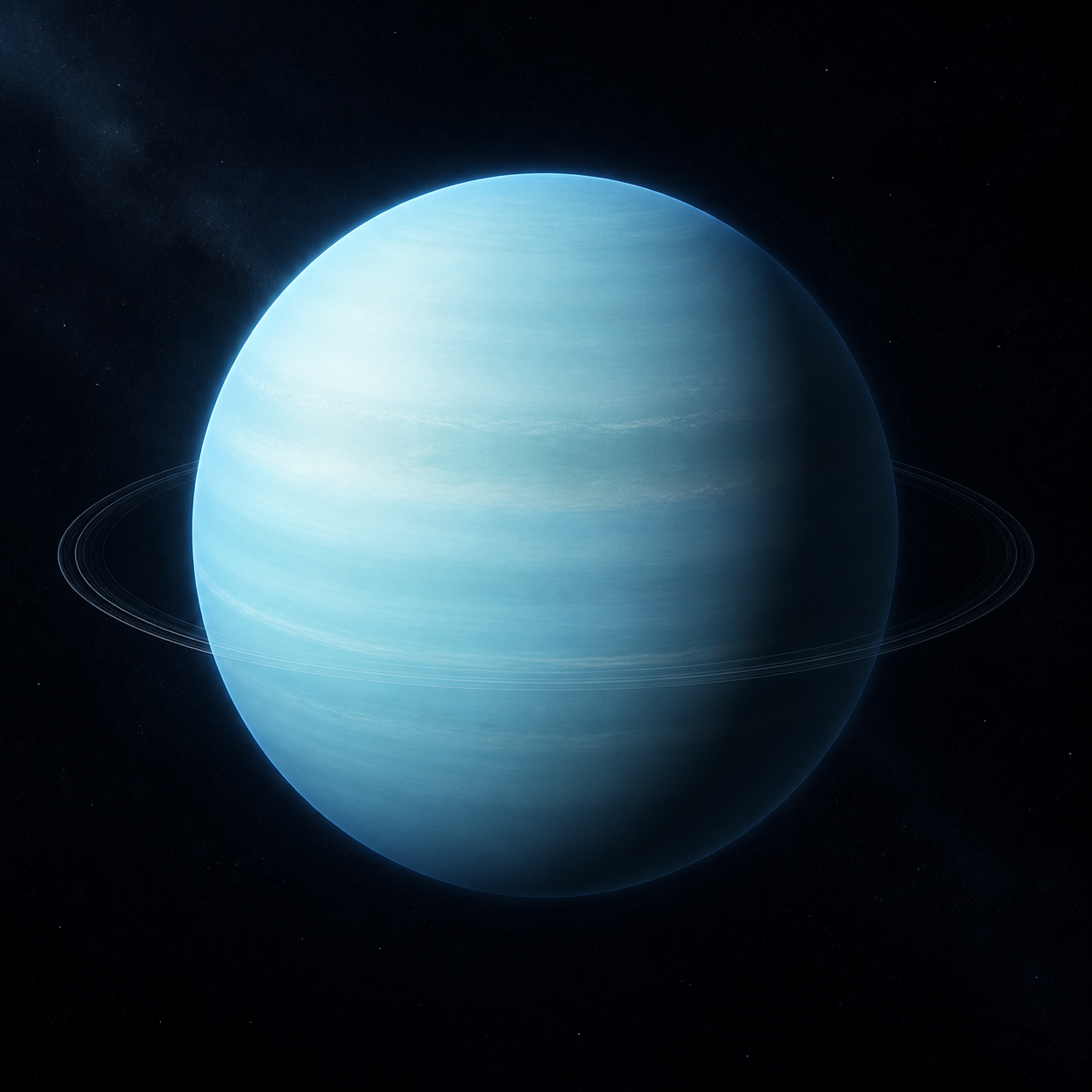
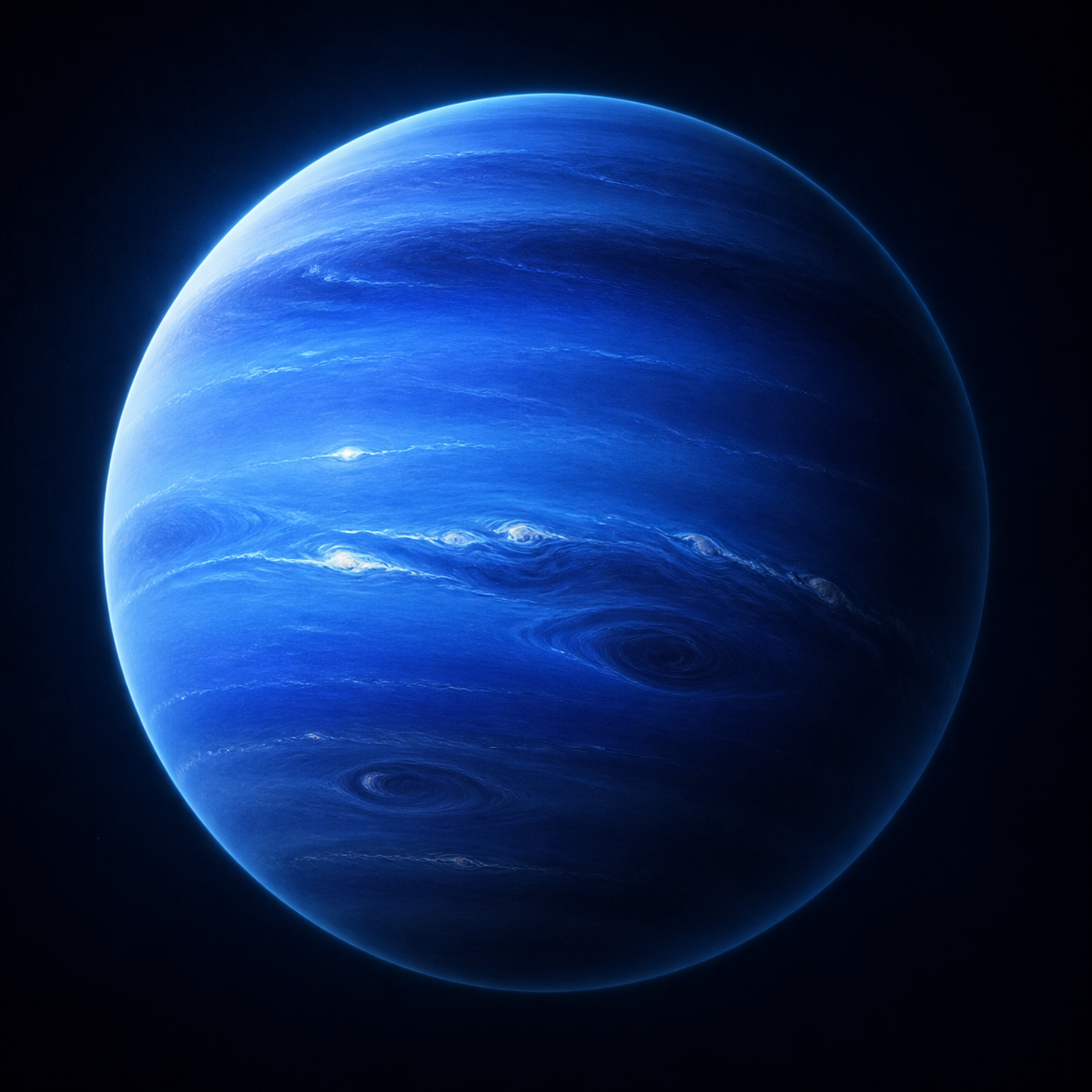
Jupiter and Saturn are gas giants; Uranus and Neptune are ice giants. Together they hold most of the planetary mass.
Meet the giants ↗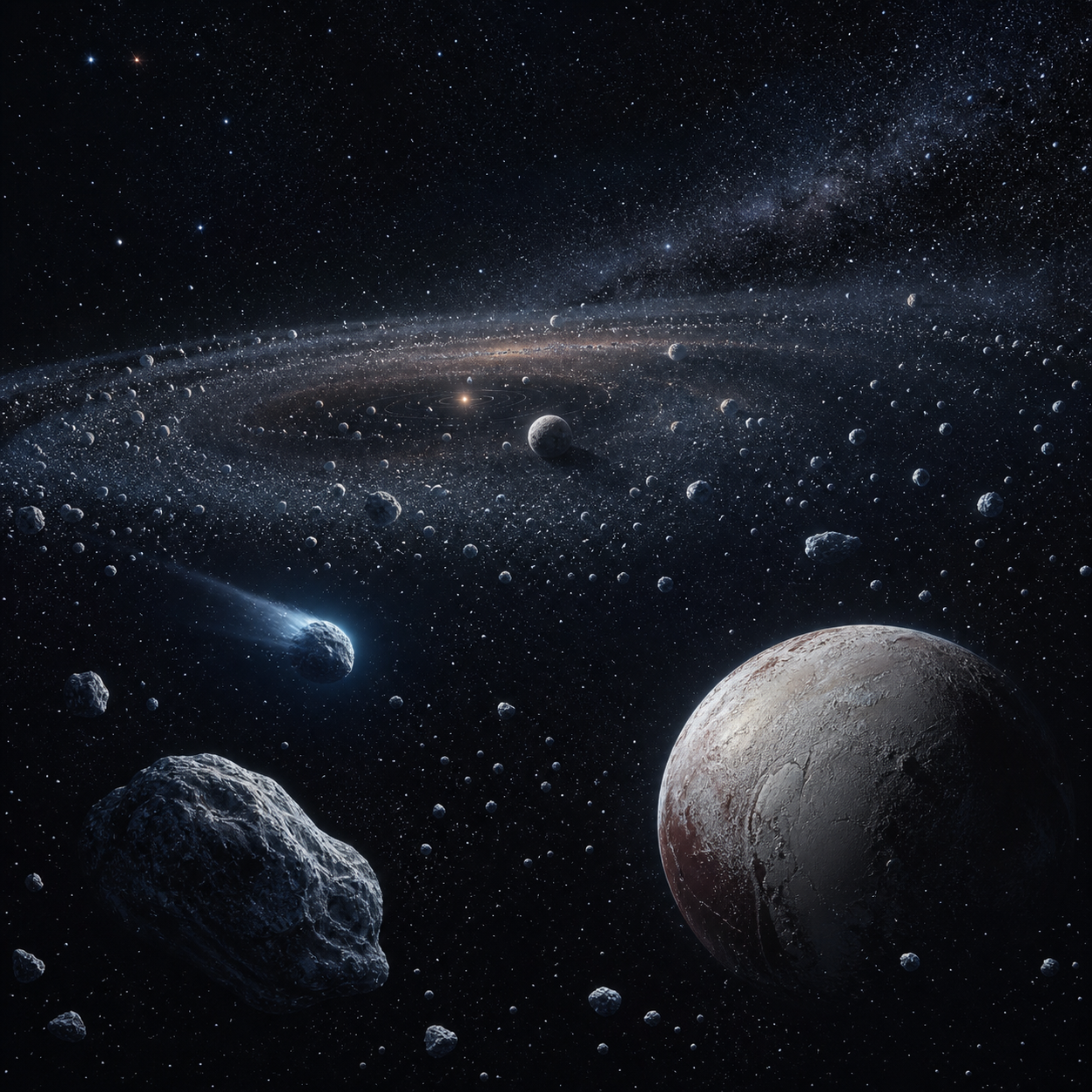
Icy borderlands
The Kuiper Belt, scattered disk and probable Oort Cloud contain dwarf planets, comets and ancient icy bodies.
05 THE INVISIBLE ARCHITECT
Gravity holds the story together.
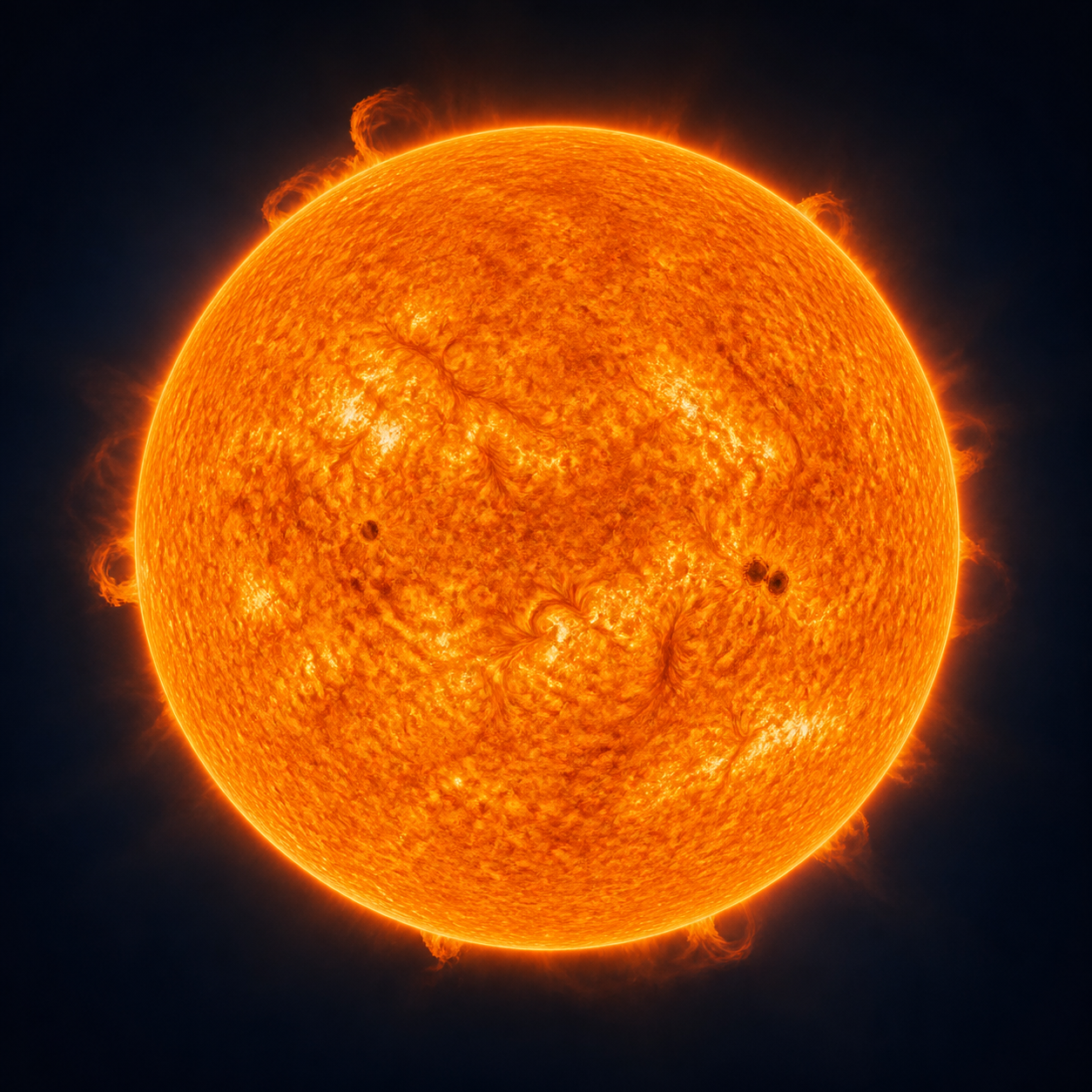
The Sun contains almost all the system’s mass. Its gravity keeps planets in orbit, but every object also tugs on every other one. Jupiter redirects comets, moons exchange energy with planets, and resonances can preserve or destabilize orbits over immense spans of time.
The Solar System is therefore not a static diagram. It is a moving, interacting structure travelling around the centre of the Milky Way.
06 SCALE
Distances beyond intuition.
Earth’s reference
One astronomical unit is the average distance from Earth to the Sun: about 150 million kilometres.
Sunlight to Earth
Light crosses that distance in roughly eight minutes and twenty seconds.
Neptune’s orbit
The outermost major planet travels around thirty times farther from the Sun than Earth.
No simple edge
The planetary region, heliosphere and distant gravitational domain each give the Solar System a different kind of boundary.
07 THE PLANETARY FAMILY
One star. Eight extraordinary worlds.
Every portrait is shown in full. Explore the star that powers the system and the planets shaped by distance, chemistry, impacts and time.
08 CONTINUE EXPLORING
Meet every world
up close.
Return to the visual planetary index or begin with the star that powers the entire system.
Explore all worlds ↗Start with the Sun


